









Rechargeable alkaline batteries
What Are Rechargeable Alkaline Batteries?
Rechargeable alkaline batteries are a special type of alkaline cell designed to be recharged a limited number of times. They look very similar to standard alkaline batteries and usually come in common sizes like AA or AAA.
Compared with traditional single-use alkaline batteries, rechargeable alkaline versions offer:
Limited recharge capability (usually 20–50 cycles depending on usage)
Similar voltage to disposable alkaline batteries (1.5V)
Compatibility with devices designed for alkaline cells
Lower upfront cost compared with lithium rechargeable systems
However, they are less commonly used today because other rechargeable chemistries perform better.
What Are AA Rechargeable Alkaline Batteries?
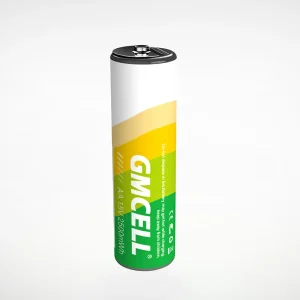
When people specifically search for AA rechargeable alkaline batteries, they are referring to the AA size format of rechargeable alkaline cells.
AA batteries are one of the most widely used battery sizes in consumer electronics. Typical applications include:
Remote controls
Wireless keyboards and mice
Flashlights
Toys
Small household electronics
Rechargeable AA alkaline batteries were designed as a bridge between disposable alkaline and rechargeable systems.
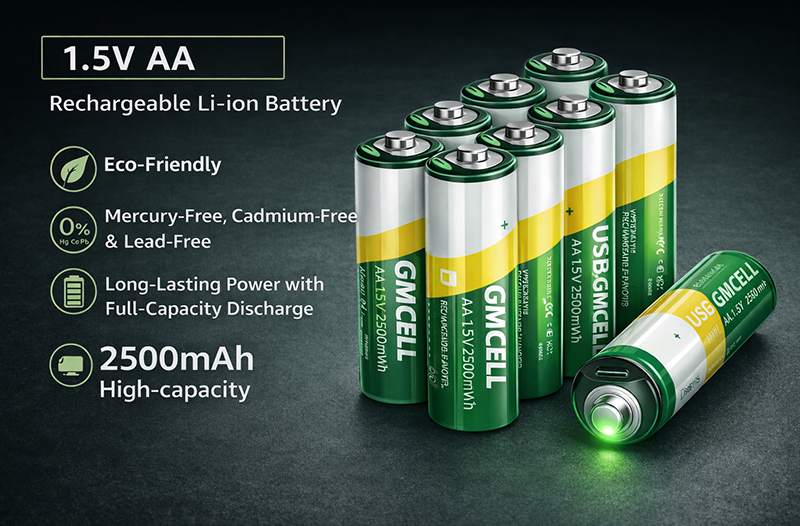
They offer the familiar 1.5V output, which some devices prefer compared with the 1.2V of Ni-MH batteries.
Rechargeable Alkaline vs Ni-MH Batteries
Today, most rechargeable AA batteries on the market are actually Ni-MH batteries, not rechargeable alkaline.
Here’s a quick comparison.
| Feature | Rechargeable Alkaline | Ni-MH Rechargeable |
|---|---|---|
| Nominal Voltage | 1.5V | 1.2V |
| Recharge Cycles | 20–50 | 500–1000 |
| Capacity Stability | Moderate | High |
| High-Drain Devices | Not ideal | Very suitable |
| Market Popularity | Limited | Very common |
In real-world use, Ni-MH batteries usually last longer and support many more recharge cycles, which is why they dominate the rechargeable AA battery market today.
Rechargeable alkaline batteries still exist, but they are generally used in low-drain devices.
When Are Rechargeable Alkaline Batteries a Good Choice?
Rechargeable alkaline batteries can still make sense in certain situations.
They are often used in:
Low-power electronics
Devices designed specifically for 1.5V alkaline output
Occasional-use equipment
Backup household electronics
Because they have a similar discharge curve to standard alkaline batteries, they can work well in devices that behave unpredictably with 1.2V rechargeable cells.
Why Many Buyers Still Choose Standard Alkaline Batteries
For many distributors and retailers, standard alkaline batteries remain the most popular option for everyday consumer markets.
They offer:
Long shelf life
Reliable performance
Leak-resistant design
No charging equipment required
For products like remote controls, clocks, toys, and flashlights, disposable alkaline batteries are still the most convenient choice for end users.
Rechargeable alkaline batteries are a type of battery that can be recharged several times while maintaining the standard 1.5V output of traditional alkaline batteries. AA rechargeable alkaline batteries refer specifically to the AA size format, commonly used in household devices like remote controls, flashlights, and toys.
Choosing the Right Battery Supplier
Whether you are sourcing AA alkaline batteries, rechargeable batteries, or custom battery packs, reliability and consistency from the supplier are critical.
GMCELL is a professional battery manufacturer supplying a wide range of battery chemistries for global distributors, wholesalers, retailers, and brand owners.
Our product portfolio includes:
Alkaline batteries
Carbon zinc batteries
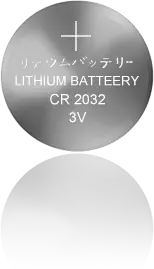
Button cells
Lithium batteries
Ni-MH rechargeable batteries
Li-SOCl₂ batteries
USB rechargeable batteries
Custom battery packs
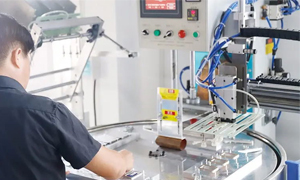
With a self-owned factory and ISO9001-certified manufacturing system, GMCELL maintains strict quality control and stable production capacity. Our facility supports large-scale manufacturing with an annual output of over 2 billion batteries, ensuring consistent supply for global partners.
All products comply with international certifications such as CE, CB, KC, BIS, and RoHS, and are designed to be mercury-free, lead-free, and leak-resistant, delivering reliable and long-lasting power.
Final Thoughts
Rechargeable alkaline batteries, including AA rechargeable alkaline batteries, were an interesting step in the evolution of rechargeable power solutions. While they still have niche uses, Ni-MH rechargeable batteries and modern lithium technologies now dominate the rechargeable battery market.
For distributors and product manufacturers, the key is choosing the right battery chemistry for the application — balancing performance, cost, and reliability.
If you’re sourcing batteries for consumer electronics, retail brands, or OEM projects, working with an experienced manufacturer can make the process much smoother.