




















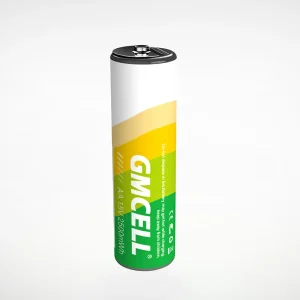
Alkaline Batteries vs Lithium Batteries: Which One Should You Choose?
Batteries power almost everything we use every day — from remote controls and toys to smart devices and security systems.
When choosing the right battery, many people ask the same question:
What’s the difference between alkaline batteries and lithium batteries?
Both types are widely used in consumer electronics, but they are designed for slightly different purposes. Understanding how they work can help you choose the right option for your device or product.
In this guide, we’ll break down the differences between alkaline and lithium batteries and explain where each one works best.
What Are Alkaline Batteries?
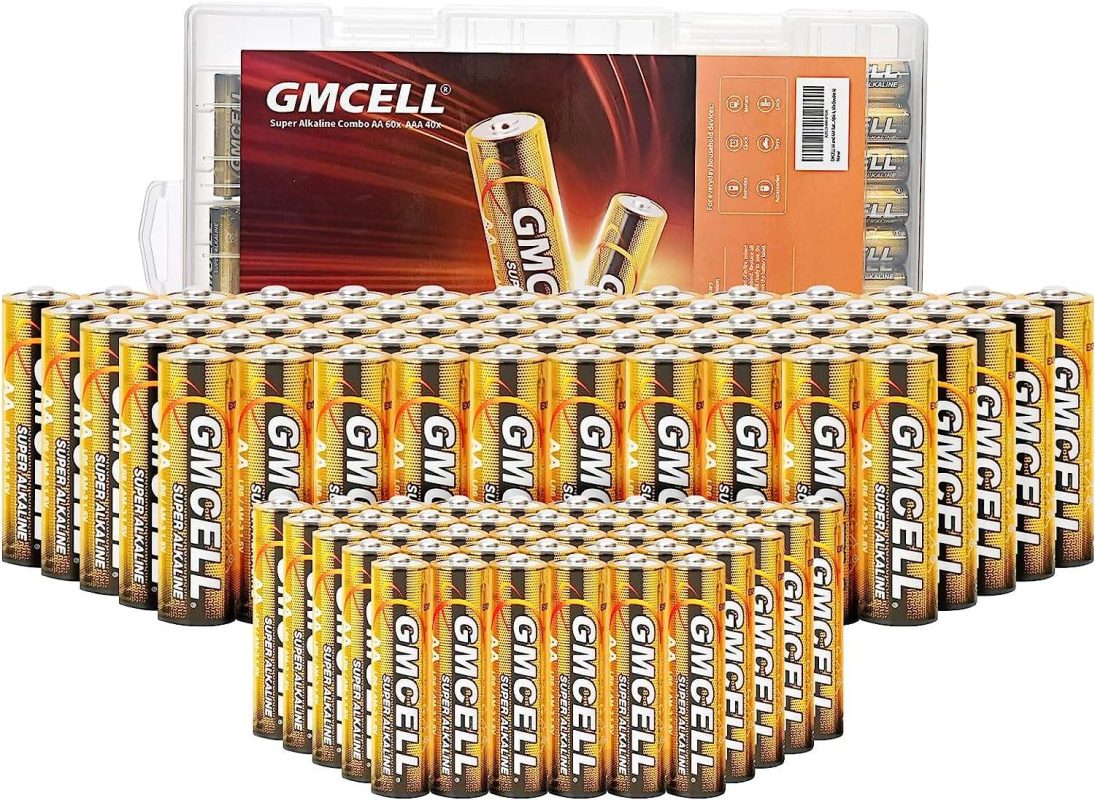
Alkaline batteries are the most common disposable batteries used in household electronics. They use an alkaline electrolyte, which helps deliver steady power for low-to-moderate energy devices.
You’ll usually find alkaline batteries in standard sizes such as:
Because of their affordability and reliability, alkaline batteries remain the most widely used battery type for everyday consumer products.
Typical Devices That Use Alkaline Batteries
Alkaline batteries are commonly used in:
-
Remote controls
-
Wall clocks
-
Wireless keyboards and mice
-
Toys
-
Flashlights
-
Portable radios
These devices usually draw small amounts of power over a long period, which makes alkaline batteries a practical and cost-effective choice.
Advantages of Alkaline Batteries
Affordable for large-scale use
Alkaline batteries are typically cheaper than lithium batteries, making them ideal for everyday devices.
Long shelf life
Most alkaline batteries can be stored for 5 to 10 years without significant capacity loss.
Widely compatible
Almost all consumer electronics designed for disposable batteries support alkaline cells.
What Are Lithium Batteries?
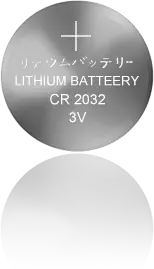
Lithium batteries use lithium metal or lithium-based chemistry to store energy. Compared with alkaline batteries, they provide higher energy density and longer operating life, especially in devices that require more power.
Lithium batteries are often used in modern electronics where performance and reliability are critical.
Common Applications for Lithium Batteries
Lithium batteries are commonly found in:
-
Smart home devices
-
Security systems
-
Medical equipment
-
GPS trackers
-
Digital cameras
-
Outdoor electronics
Many of these devices need batteries that can last longer, handle higher power demand, or operate in extreme temperatures.
Advantages of Lithium Batteries
Higher energy density
Lithium batteries can store more energy in a smaller space.
Longer runtime
They generally last longer than alkaline batteries in high-drain devices.
Lightweight
Lithium batteries are usually lighter than alkaline batteries with similar capacity.
Better performance in extreme temperatures
They perform well in both very cold and very hot environments.
Alkaline vs Lithium Batteries: Key Differences
| Feature | Alkaline Batteries | Lithium Batteries |
|---|---|---|
| Price | Lower cost | Higher cost |
| Energy Density | Moderate | High |
| Best Use | Low-drain devices | High-drain devices |
| Weight | Heavier | Lighter |
| Temperature Performance | Standard environments | Extreme conditions |
| Shelf Life | 5–10 years | Up to 15 years |
In simple terms:
-
Alkaline batteries are ideal for everyday household electronics.
-
Lithium batteries are better suited for high-performance devices.
When Should You Choose Alkaline Batteries?
Alkaline batteries are usually the best option when:
-
Devices consume low power
-
Cost efficiency is important
-
The product uses standard battery sizes
-
Batteries need to be easily replaceable
That’s why alkaline batteries remain the most popular power source for consumer electronics worldwide.

When Are Lithium Batteries a Better Choice?
Lithium batteries become a better option when:
-
Devices require higher power output
-
Products must operate in cold or harsh environments
-
Longer battery life is necessary
-
Weight reduction is important
Many advanced electronic products today rely on lithium battery technology or customized battery packs.
Custom Battery Packs for Modern Electronics
As consumer electronics become more advanced, many manufacturers require custom battery pack solutions instead of standard batteries.
Custom battery packs allow engineers to optimize:
-
Voltage configuration
-
Capacity
-
Size and form factor
-
Protection circuits
-
Charging performance
These solutions are widely used in smart devices, industrial equipment, and portable electronics.
About GMCELL Battery
GMCELL is a battery manufacturer based in China with more than 25 years of experience in the battery industry.
We provide a wide range of consumer batteries and customized power solutions for OEM manufacturers worldwide.
Our product range includes:
-
Alkaline batteries
-
Button cell batteries
-
Ni-MH rechargeable batteries
-
Lithium batteries
-
Li-SOCl₂ batteries
-
Li-MnO₂ batteries
-
Lithium-ion batteries
-
LiFePO4 batteries
-
Custom lithium battery packs
All products are manufactured in ISO-certified facilities and meet international standards such as CE, FCC, and UN38.3.
Our engineering team works closely with customers to develop reliable battery solutions tailored to their devices and applications.

Frequently Asked Questions
Are lithium batteries better than alkaline batteries?
Not always. Lithium batteries perform better in high-drain devices and extreme environments, while alkaline batteries are more affordable and suitable for everyday electronics.
Do lithium batteries last longer than alkaline batteries?
Yes, in many high-power devices lithium batteries can last significantly longer than alkaline batteries.
Are alkaline batteries still widely used?
Yes. Alkaline batteries remain the most common battery type for consumer electronics such as remotes, toys, and clocks.
Can lithium batteries replace alkaline batteries?
In some devices they can, but it depends on the device specifications and battery compatibility.
Conclusion
Both alkaline and lithium batteries have their own advantages.
Alkaline batteries remain the most practical and economical option for everyday consumer electronics, while lithium batteries offer higher performance for demanding applications.
For product manufacturers, choosing the right battery technology — or developing a custom battery pack — can significantly improve device performance and user experience.